








Addressing the maternity care crisis through safer tooling for emergency childbirth.
Giving OB/GYNs the confidence to choose assisted vaginal delivery over unplanned C-section.
Supported by
The Problem
Assisted vaginal delivery tools are a physician's last line of defense before an unplanned C-section — yet they often go unused.
1 Million
U.S. births end in C-section annually — carrying 5× higher maternal mortality risk, 3× higher hemorrhage risk, and adding $13B in costs per year.
3%
Assisted vaginal delivery rate today, down from 9%. Physicians default to C-section because existing tools are hard to use, cause injury, and offer no procedural feedback.
The Solution
Innovating maternal care with soft robotics
We're developing a flexible, sensor-guided device designed to take the guess work out of assisted vaginal deliveries.
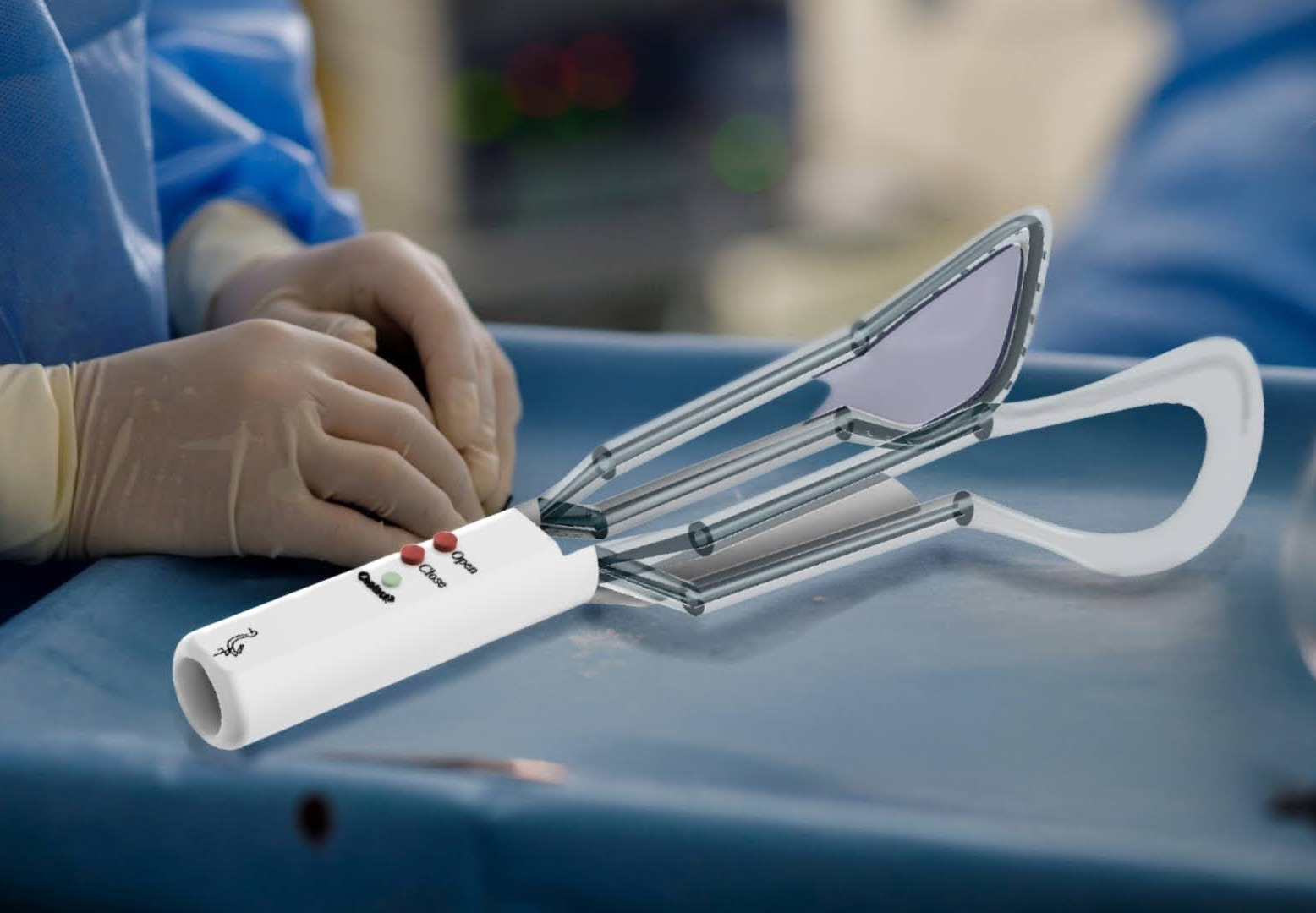
Design Concept
Traction
200+
Interviews with our stakeholders, including physicians, mothers, and midwives